Top Tips for Spotting Snagging Issues
Buying a new build home is exciting. But it comes with a crucial step - spotting snagging issues. These are minor defects or unfinished work that can affect your comfort and safety. Identifying them early helps you get them fixed before moving in. I share practical tips to help you spot these problems effectively.
Why Spotting Snagging Issues Matters
New build homes often look perfect at first glance. But beneath the surface, small faults can hide. These might include cracks, leaks, or poor finishes. If left unchecked, they can cause bigger problems later. Spotting snagging issues early saves money and stress.
A thorough snagging check ensures your home meets quality standards. It also gives you leverage to request repairs from the builder. This process protects your investment and ensures your new home is safe and comfortable.
How to Start Spotting Snagging Issues
Start with a detailed visual inspection. Walk through every room slowly. Look at walls, ceilings, floors, windows, and doors. Use a checklist to stay organised. Here are key areas to focus on:
Walls and ceilings: Check for cracks, holes, or uneven paint.
Floors: Look for scratches, gaps, or loose tiles.
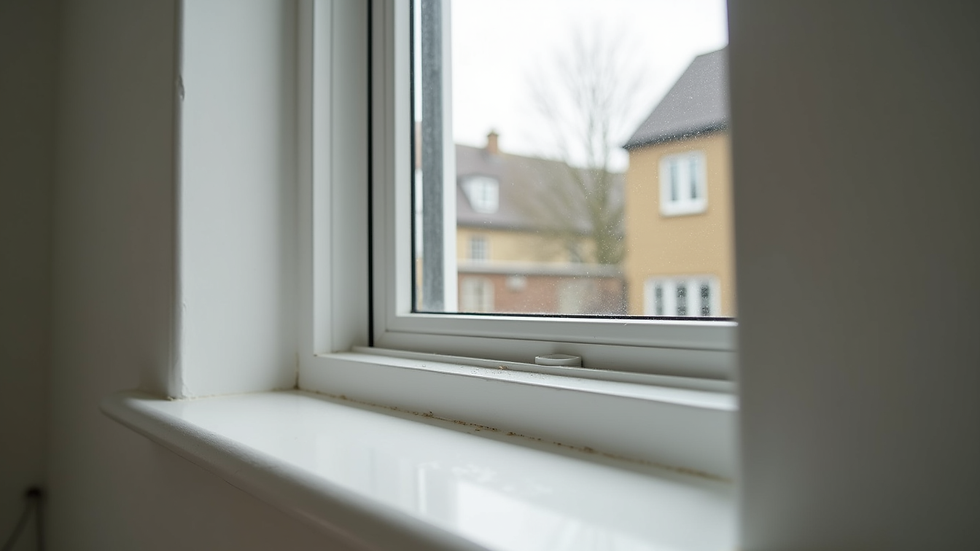
Windows and doors: Test if they open and close smoothly. Check seals for drafts.
Plumbing: Turn taps on and off. Look under sinks for leaks.
Electrical fittings: Test switches and sockets. Ensure lights work.
Use a torch to spot hidden issues in dark corners or under cabinets. Take photos to document problems. This helps when discussing repairs with the builder.

Tools and Techniques for Effective Snagging
Using the right tools makes spotting snagging issues easier and more accurate. Here are some essentials:
Flashlight: Reveals cracks, damp spots, and poor finishes.
Spirit level: Checks if surfaces are even and straight.
Tape measure: Measures gaps or uneven fittings.
Moisture meter: Detects dampness behind walls or floors.
Camera or smartphone: Records defects for evidence.
Move slowly and methodically. Check each item multiple times if needed. Don’t rush. Snagging is about detail. If you spot a problem, note its exact location and nature.
Common Snagging Issues to Watch For
Some defects appear more often in new builds. Knowing these helps you focus your inspection:
Paint and plaster: Uneven coats, drips, or cracks.
Flooring: Loose tiles, squeaky floorboards, or uneven carpets.
Doors and windows: Misaligned frames, broken locks, or poor seals.
Plumbing: Dripping taps, blocked drains, or low water pressure.
Electrical: Faulty sockets, exposed wiring, or non-working lights.
Heating and ventilation: Radiators not heating, poor airflow, or noisy fans.
If you find any of these, report them immediately. Builders usually fix snagging issues before handover, but you must highlight them.
When to Get Professional Help
Some snagging issues are easy to spot. Others require expert knowledge. If you feel unsure, consider hiring a professional snagging surveyor. They have experience and tools to identify hidden defects.
A professional surveyor provides a detailed report. This report can be used to negotiate repairs with the builder. It also gives peace of mind that your home is defect-free.
For example, new build snagging issues often include structural or technical faults that only experts can detect. Investing in a surveyor can save you from costly repairs later.
Final Steps to Ensure a Defect-Free Home
After spotting and reporting snagging issues, follow up regularly. Check that the builder completes repairs properly. Inspect the fixes yourself or ask your surveyor to verify.
Keep all documentation, including photos and reports. This helps if disputes arise. Remember, snagging is your right as a buyer. Don’t accept a home with unresolved defects.
Taking these steps ensures your new build home is safe, comfortable, and ready to live in.
Spotting snagging issues is essential for a smooth move-in. Use these tips to inspect carefully, document problems, and get repairs done. Your new home deserves nothing less.


Comments